These five Houston hidden gems come from a recent TikTok slideshow by @sephoraexplorer. Below are the visit basics from each place’s own website, checked Oct. 17, 2026, and a plain look at living nearby. Hours change, so confirm before you go.
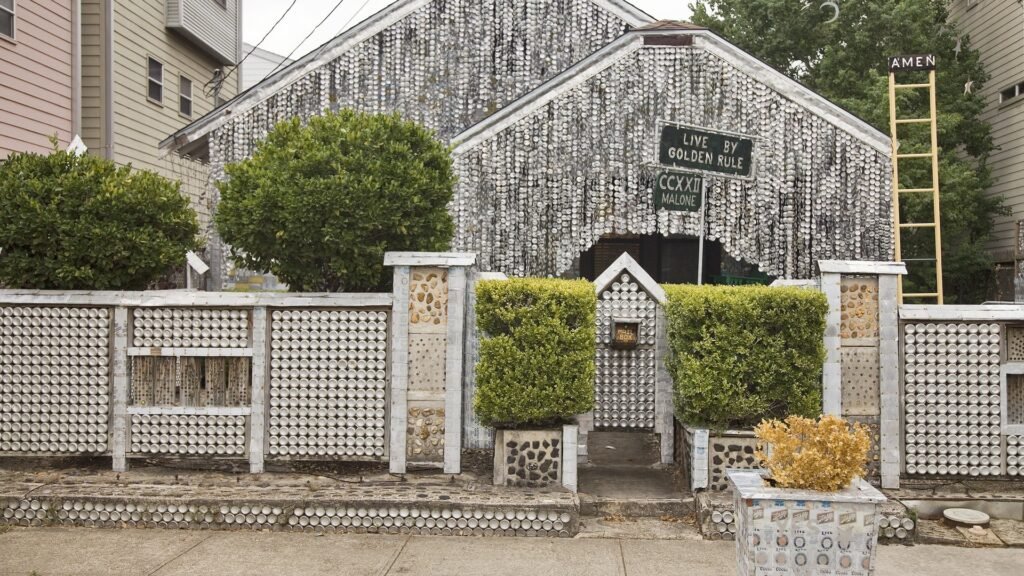
The Beer Can House at 222 Malone St. Photo: David Brown (dabfoto), via the Orange Show Center for Visionary Art, cropped.
1. The Beer Can House in Rice Military
The Beer Can House is at 222 Malone St. John Milkovisch, a retired upholsterer for the Southern Pacific Railroad, started the project in 1968 with marbles and rocks set in concrete around his yard, then covered the house in flattened beer cans over the next 18 years. Ripley’s Believe It or Not estimated that more than 50,000 cans cover the property. The Orange Show Center for Visionary Art restored the site and opened it to visitors in 2008.
Admission is free. The Orange Show’s site-wide notice says the Beer Can House is currently open Saturdays and Sundays from noon to 5 p.m. Hours can change, so check the Beer Can House page before you go.
Living near the Beer Can House
The Orange Show places the house in the Rice Military neighborhood west of downtown and calls 222 Malone “a time capsule of Houston’s vernacular architecture from the early 20th century.” Today the area mixes older houses with newer townhomes on smaller lots. Washington Avenue and Memorial Park are nearby.
Buyers comparing townhomes should check garage access, stairs, HOA rules and drainage street by street. Sellers can answer those questions early by putting garage, stair and HOA details in the listing. Our Rice Military area guide has more on the neighborhood.
2. Buffalo Bayou Park Cistern
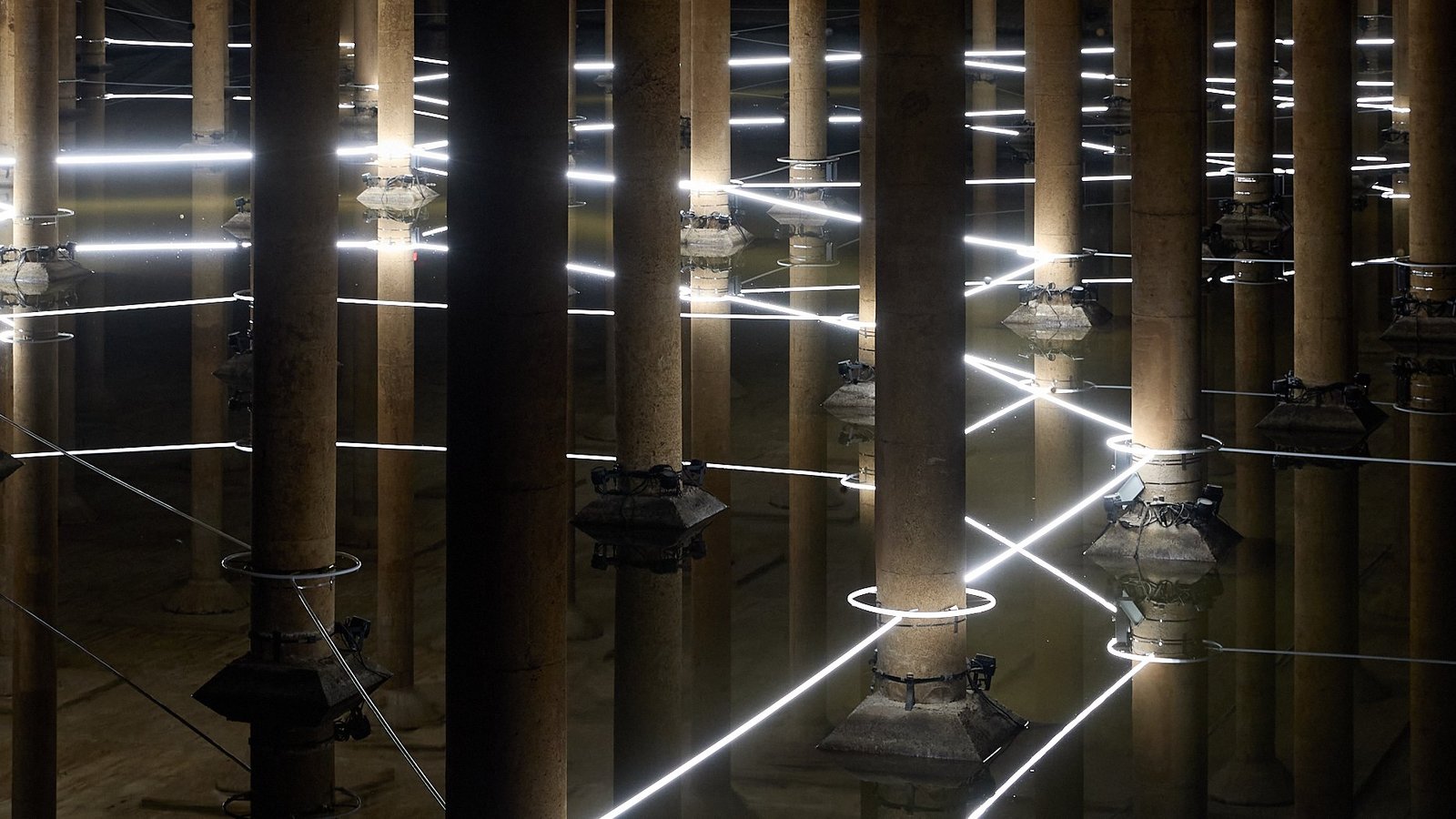
The Cistern is at The Water Works, 105-B Sabine St., in Buffalo Bayou Park. Buffalo Bayou Partnership says it was built in 1926 as a drinking water reservoir for the City of Houston, decommissioned in 2007 after a leak, and opened to the public in May 2016. It has 221 concrete columns about 25 feet tall and a 17-second echo.
The Cistern is open Wednesday through Sunday, 10 a.m. to 6 p.m., with timed tours and last entry at 5:15 p.m. Book ahead on BBP’s tours page, and check it before you go. Children under 9 can’t go inside. The guided history tour lasts 30 minutes and covers about a quarter mile on foot. Through Jan. 24, 2027, the Cistern also hosts Undercurrents, a light and voice installation by Rafael Lozano-Hemmer. Limited free parking is at The Water Works lot, with metered parking on Allen Parkway. Our earlier Buffalo Bayou Park walk covers the trails above ground.
Living near the Cistern
Buffalo Bayou Park follows Allen Parkway and Memorial Drive west of downtown. Fourth Ward, the north edge of Montrose and Rice Military are close by. Housing along this stretch includes townhomes and mid-rise and high-rise condos, some with park or skyline views. Buyers who want trail access should walk the route from the front door instead of trusting map distance. Sellers can describe that walk, and any park or skyline view, plainly.
3. Rothko Chapel in Montrose
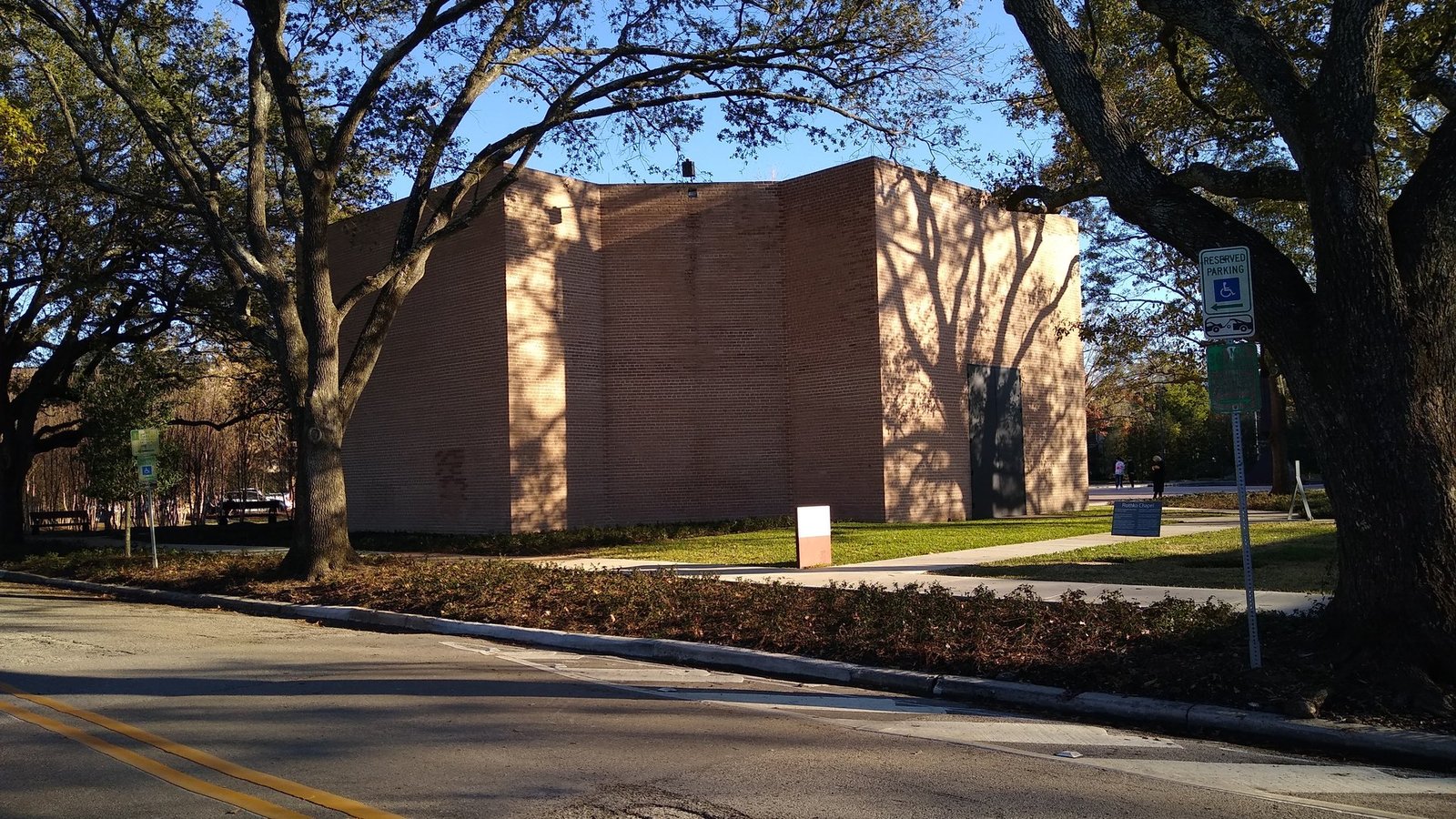
The Rothko Chapel is at 3900 Yupon St. at Sul Ross. The chapel describes itself as “a spiritual space, a forum for world leaders, a place for solitude and gathering” and says people “of all faiths” visit each year. Inside are 14 murals by Mark Rothko, completed in 1967. Outside, Barnett Newman’s Broken Obelisk rises over a reflecting pool. John and Dominique de Menil commissioned it.
Admission is free, and tickets are no longer required. The chapel is generally open Tuesday through Sunday, 10 a.m. to 6 p.m., including holidays (visitor info). It closes for programs about twice a month and posts hour changes a week ahead. The grounds are free daily from dawn to dusk. The chapel asks visitors not to take photos or use phones inside. Free street parking is on Yupon, Branard and Sul Ross.
Living in Montrose
Montrose is an inner-loop neighborhood with tree-lined streets of bungalows and older houses, plus newer townhomes and mid-rise buildings. The Menil Collection is a short walk from the chapel, and the Museum District is to the east. Buyers looking at older homes should budget for foundation, roof and plumbing inspections and ask whether the street sits in a city historic district with its own rules. Sellers can list recent repairs and permits up front.
4. POST Houston downtown
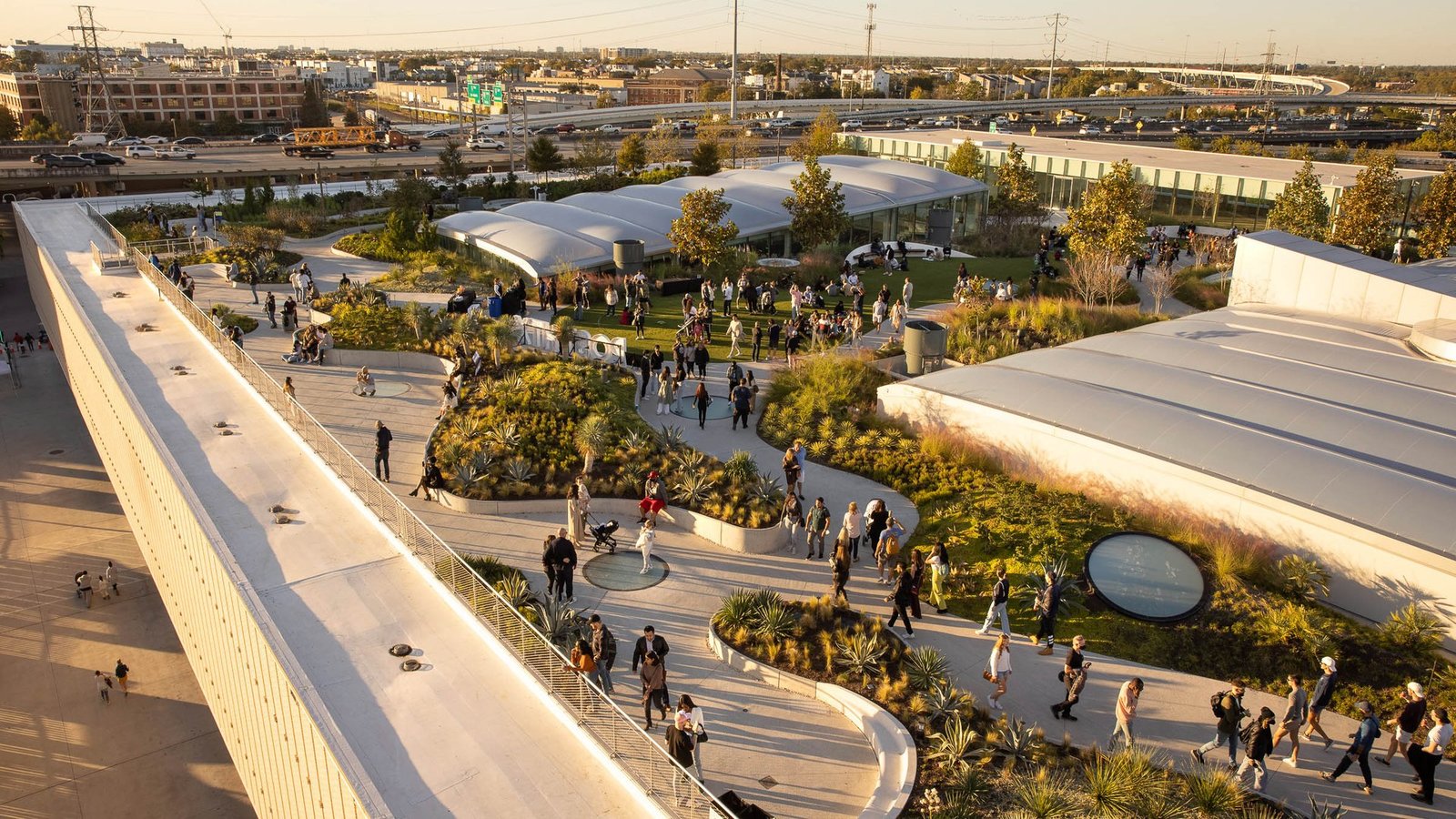
POST Houston fills the former Barbara Jordan Post Office at 401 Franklin St. According to POST, the post office building opened in 1961, the federal government decommissioned it in 2015, and Lovett Commercial turned it into a mixed-use complex with a food hall, a concert hall, an art space and offices. General hours are 11 a.m. to 9 p.m. Sunday through Wednesday and 11 a.m. to 10 p.m. Thursday through Saturday.
Skylawn, the rooftop, is a five-acre park and farm. POST’s Skylawn page says it is free and open to the public daily, until 11 p.m. on Fridays and Saturdays. Some rooftop events are ticketed and parts of Skylawn can close during them, so check the page before you go. Onsite parking is paid and can fill on weekends, and POST’s visit page gives METRORail directions from Preston Station. For food hall planning, see our POST Houston group lunch guide.
Living in downtown Houston
Downtown housing is mostly lofts in converted older buildings plus mid-rise and high-rise condos and apartments. Buyers trade yard space for a walk to work, the Theater District and downtown parks. Before making an offer on a condo, read the HOA budget, reserve study, parking assignment and rental rules. Condo sellers can have those documents ready before listing, and our home valuation page is a place to start. Our Downtown area guide covers the area.
5. Project Row Houses in Third Ward
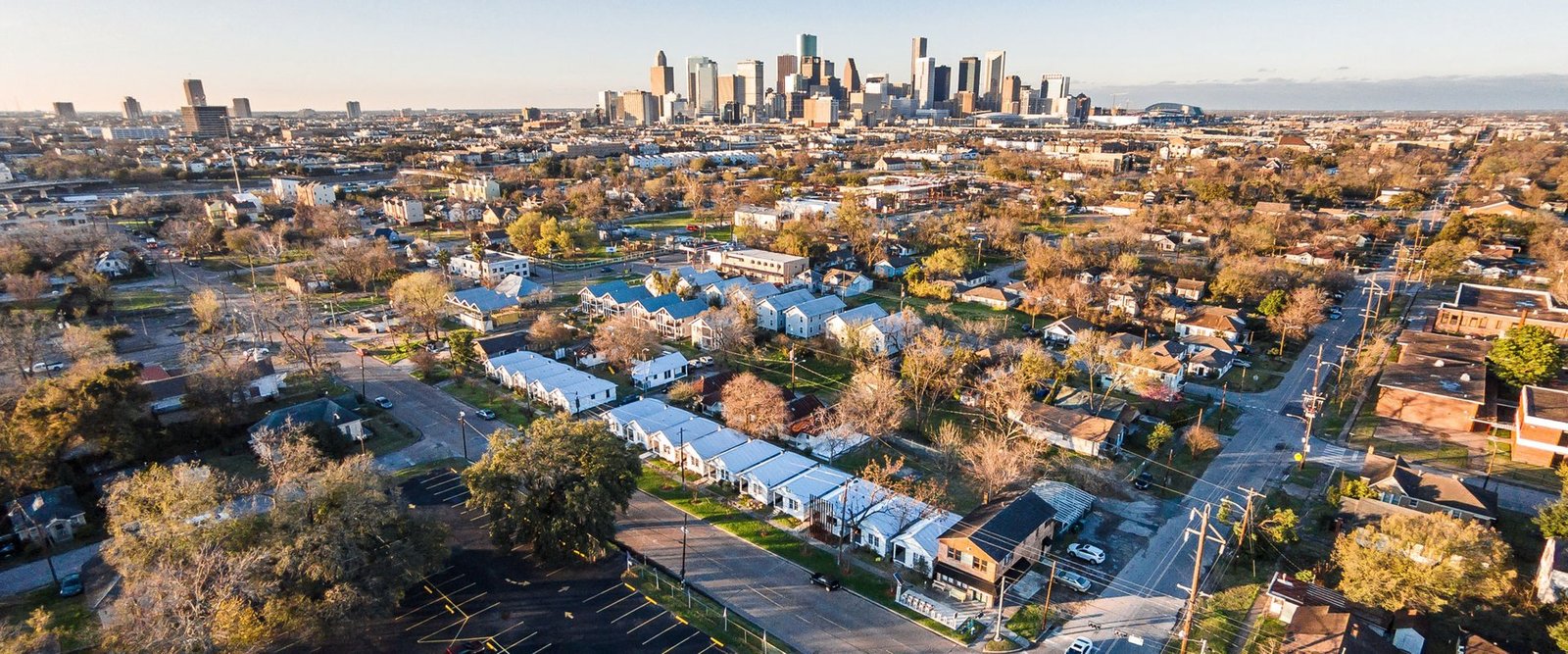
Project Row Houses is at 2521 Holman St. According to PRH’s history page, seven Houston artists started it in 1993: James Bettison, Bert Long Jr., Jesse Lott, Rick Lowe, Floyd Newsum, Bert Samples and George Smith. They saw potential in “a block and a half of derelict shotgun houses at the corner of Holman and Live Oak.” Artist and educator Dr. John Biggers, who lived a few blocks away, shaped the founders’ thinking about the shotgun house. Today the site covers five city blocks and 39 structures, with art houses, a gallery, artist studios, local businesses, a public art park and the historic Eldorado Ballroom.
Visiting is always free. The art houses and community gallery are open noon to 5 p.m. Wednesday, Thursday, Friday and Sunday, and 10 a.m. to 5 p.m. Saturday. Check in with docents at the two-story building at Holman and Live Oak, or book a guided tour. Some buildings are private housing or artist studios, and PRH asks visitors not to disturb tenants.
Living in Third Ward
Third Ward sits southeast of downtown and Midtown, near the Museum District. Its streets mix older one-story houses, including shotgun houses like the ones PRH restored, with newer townhomes and infill construction. Buyers weighing an older house against new construction should compare flood zone maps, lot size, permits and renovation records. Sellers of restored older homes can document original features and the work done to keep them.
Houston hidden gems FAQ
Which of these Houston hidden gems are free?
The Beer Can House, the Rothko Chapel and Project Row Houses list free admission. Skylawn at POST Houston is free daily, though POST has ticketed evening rooftop access during past holiday events. BBP asks visitors to book Cistern tours ahead; see its tours page for current prices.
Can children visit the Cistern?
Children under 9 aren’t allowed inside. BBP offers a $2 discount with ID for youth ages 9 to 17, military, college students and seniors 65 and older.
Can you take photos inside the Rothko Chapel?
No. The chapel asks visitors not to take photos or use phones inside. The grounds are open daily from dawn to dusk.
How do you get to POST Houston on METRORail?
POST says to take the Red Line to Preston Station, walk north on Main Street, turn left on Congress Street, and continue four blocks west across the Congress Street bridge.
Thinking about a move near one of these spots?
Start with our buyer resources, seller resources or Houston-area guides. When you’re ready to talk, contact us or call (281) 724-3966.