

Mary Jo Peckham Park can make a Katy outing feel pleasantly uncomplicated. The trick is to choose one main activity before packing the car. A walk, some playground time, and an ambitious list of recreation plans are not the same kind of visit. Start small, then add something only if it suits the day.
Harris County Precinct 4 lists Mary Jo Peckham Park at 5597 Gardenia Lane. Its published amenities include a walking trail, miniature golf, a playground, a fishing lake, picnic areas, and an aquatic and fitness center. Check the operator’s current information for the particular facility you want; outdoor park access should not be treated as a reservation for every activity.
Choose a version of the visit
For a low-key outing, build the plan around a walk and a place to pause. If an activity such as miniature golf is the reason for going, confirm how access and equipment work before leaving home. If a group has different interests, agree on one shared meeting point and a time to reconnect.
Keep the length flexible. Instead of promising a full afternoon, make the first portion complete on its own. That approach works especially well when you are testing whether a park could become part of your normal routine rather than arranging a special occasion.
Three ways to use the same park
The county directory lists a 1.02-mile trail, a putting green and miniature golf, and a six-hole disc golf course within the 32-acre park. These are distinct activities. A putting outing calls for different equipment and attention from disc golf, while a walk can be organized around the time you have rather than a game.
For a walk-first visit, decide whether the listed trail distance fits your group and identify your return route before starting. For a game-first visit, confirm equipment arrangements and focus on that activity before adding another. For a picnic-first visit, choose how long you want to remain in one place and whether you need a reservation for the gathering you have in mind.
A group can also use a shared beginning and ending with a flexible middle. Walk together initially, let people choose their preferred permitted activity, and reconnect at an agreed landmark. Make that landmark specific enough to find without a series of phone calls. The plan should work even if someone decides to finish earlier than expected.
Pack for the activity you actually chose
A lighter bag is easier to manage than supplies for five possible plans. Bring water, suitable shoes, and whatever the operator confirms is needed for your chosen activity. If you intend to use the fitness or aquatic facilities, check their separate schedule, participation requirements, and registration arrangements.
Keep recreation gear and personal essentials separate
The county also lists basketball courts, exercise stations, a playground, and a reservable pavilion. An amenity list tells you what kinds of recreation belong here; it does not confirm that a piece of equipment is being loaned that day or that a facility is immediately available. Check those details before promising a particular game to your companions.
Put your personal essentials in one small bag, with recreation equipment separate. That makes it easier to leave an optional activity out if the group changes direction. For a picnic, choose containers that are manageable to carry back after the meal. An elaborate setup is rarely necessary for a first visit whose main purpose is learning whether you enjoy the park.
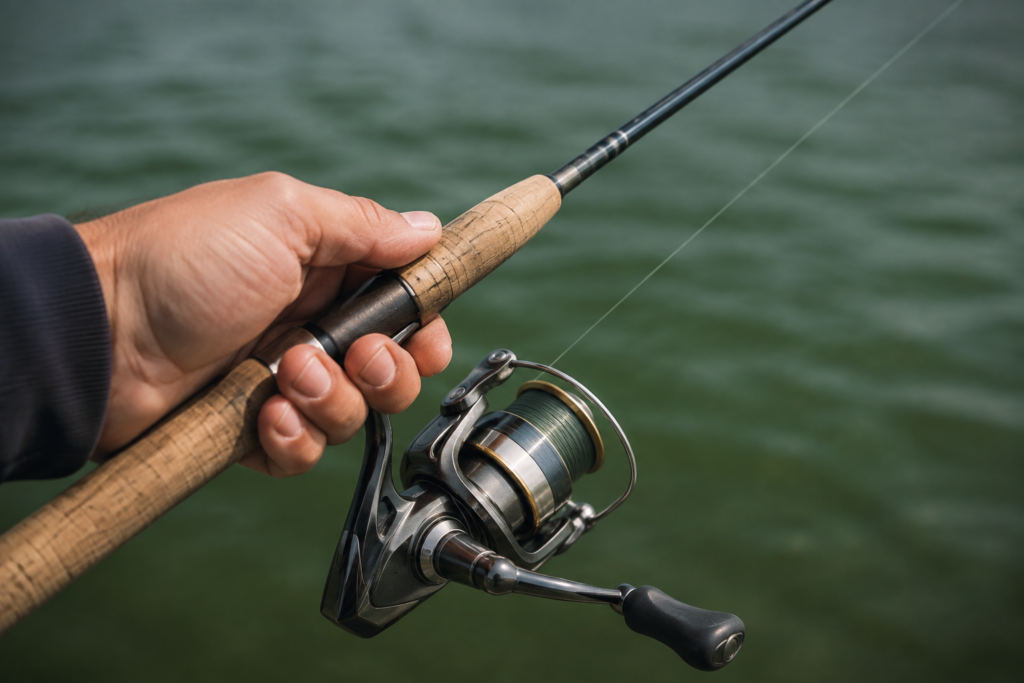
If fishing is the main activity, review the county’s linked fishing information and current applicable requirements before packing tackle. Consider the waiting time as part of the outing, too: someone coming along for company may want a book or a short independent walk. Agree on how the group will reconnect instead of assuming everyone wants to remain at the water for the same length of time.
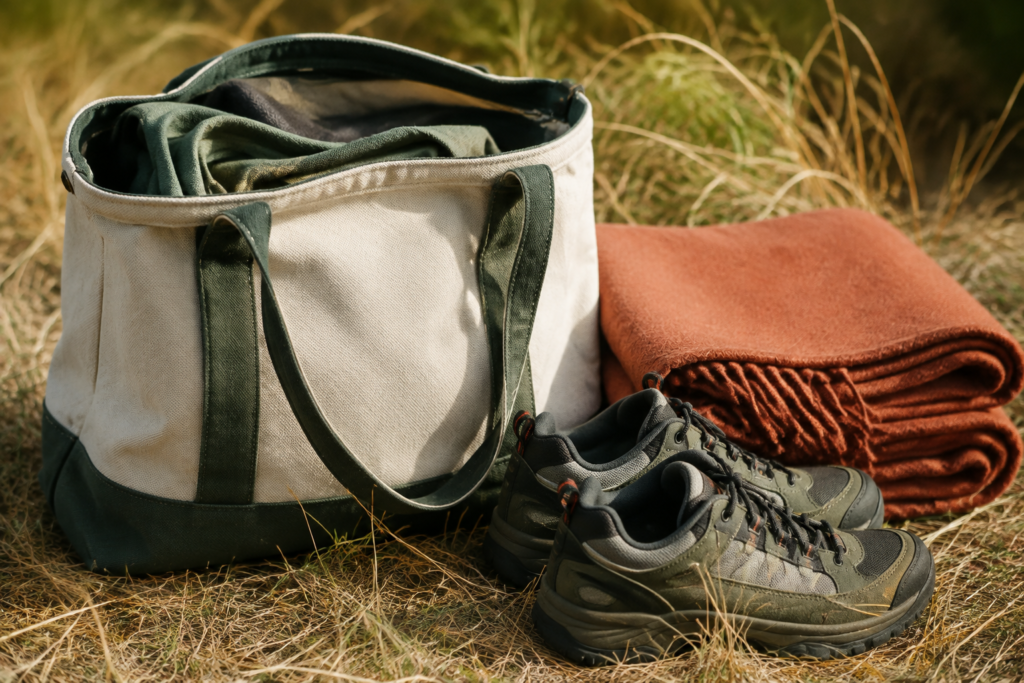
For a picnic, decide in advance how you will carry everything out again. If you need guaranteed space for a celebration, research reservations instead of assuming an available-looking pavilion is yours to occupy for the day. Leave room around shared paths and equipment so other visitors can enjoy the park too.
Let a repeat visit answer different questions
On the first trip, notice the practical basics: the entrance you used, where you met your companions, and how the visit fit the available time. On the next, try another activity or a different part of the day. You will learn more from those specific observations than from a general description of the park as convenient.
Separate a quick reset from a longer recreation day
A useful repeat visit changes one variable at a time. Keep the same main activity but try a different available window in your week, or keep the timing and switch from walking to a confirmed game. You will then know what changed your experience. Trying a new entrance, activity, schedule, and group all at once makes the comparison less clear.
The published park schedule is 7 a.m. to 9 p.m., with specified holiday closures, while individual facilities may have different arrangements. Recheck the county page when planning around a holiday or a particular indoor activity. Build your departure around the schedule for the part of the park you are using, with enough time to gather belongings and return to your vehicle.
Afterward, record a concrete next plan: a shorter walk after an errand, a miniature-golf visit after confirming equipment, or a picnic with a reservation if needed. These are more actionable than writing “come back sometime.” A place becomes part of your routine when you know what you would do there and how much preparation that version of the visit requires.
If you are exploring the area before a move, test the journey from an actual candidate address. The wider Katy area covers many different starting points. A favorite park can be a useful reference, but it should not substitute for checking the full pattern of errands and trips you expect to make.
Open your park-day organizer
Main activity: choose one. Equipment: confirm what is available and what to bring. Group plan: set a meeting point. Weather plan: decide when to shorten or postpone. Future visit: note one activity you would like to try next time.
Connect the outing to everyday Katy living
The Katy area guide brings together local highlights and resources so you can compare a park visit with other parts of daily life. Use it to build a short, realistic list of places you would return to, rather than an idealized weekend that would be difficult to repeat.
When a home search becomes more concrete, the Aurhomes Group buyer guide can help organize the next steps. Keep your park notes alongside the practical questions about a property, its condition, and the routines it would support.