

Cover: Buffalo Bayou Park with the Houston skyline (2022). Photo: Michael Barera. CC BY-SA 4.0. Photo source · License
A Buffalo Bayou Park walk can be as simple as choosing one stretch of trail and giving yourself permission to stop. If you are new to Houston, that is often more revealing than trying to cover the entire park. Watch how the paths meet the city, spend a few minutes with a piece of art, and leave enough time to get back without hurrying.
Buffalo Bayou Partnership’s official visitor guide separates its park and trail destinations and lists current hours, rules, and closures. Use that page to choose an entrance before you open navigation. A pin for “Buffalo Bayou” can describe a much wider area than the afternoon you actually have available.
Give the walk one clear starting point
Choose a meeting place everyone can identify, then save the same pin on each phone. Agree whether the outing ends at the starting point or somewhere else. A casual out-and-back is a useful first visit because you can turn around when the weather, your energy, or your schedule suggests it.
The Water Works or Lost Lake?
Two useful anchors in the Partnership’s visitor information are The Water Works at 105-B Sabine Street and Lost Lake at 3422 Allen Parkway. The Water Works makes sense when the Cistern is your priority; Lost Lake gives you a different starting point for a surface walk. Treat them as separate choices before drawing a route between them.
Parking also deserves a specific decision. The operator lists limited spaces at The Water Works, City Lot H on Memorial Drive, and paid Allen Parkway parking. Read the signs and payment terms at the space you actually use. A parking allowance should cover the walk back and any tour check-in, not just the time you expect to spend looking around.
For a first outing, save three pins: your parking place, your chosen park entrance, and your intended turnaround. If the group arrives in separate cars, meet at the entrance rather than circulating through different lots looking for one another.
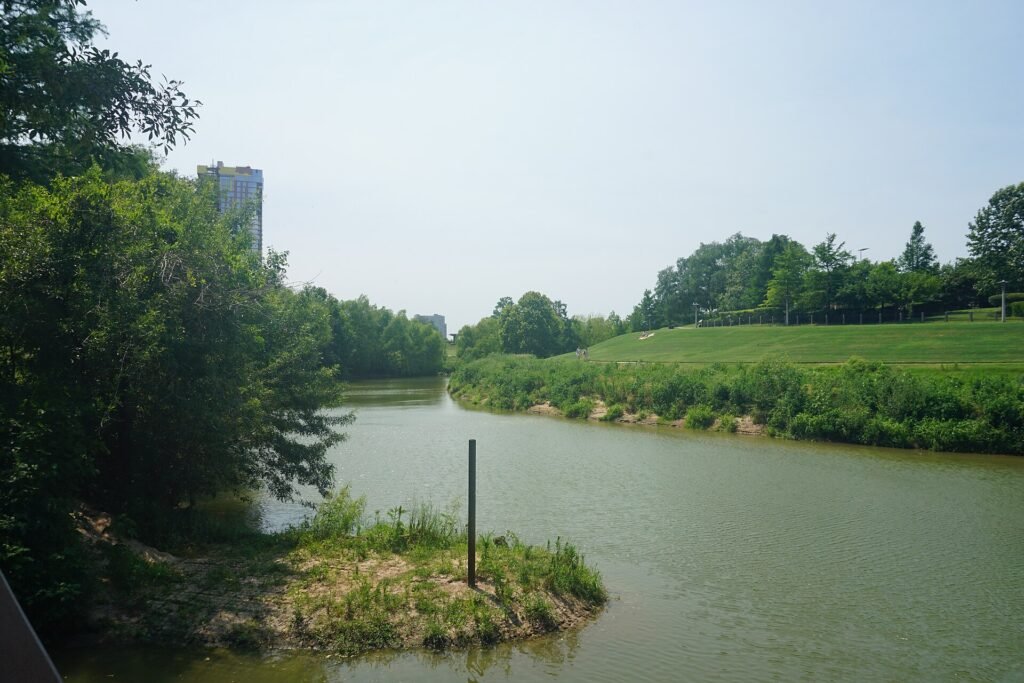
Avoid building your plan around a supposed walking time between loosely named destinations. Check the current trail map, crossings, and any closures first. For someone considering living in Houston, this is also a practical exercise: the journey from a particular home to a usable trail entrance matters more than a straight line on a neighborhood map.
Add an art stop, with sound if you like
The Partnership offers self-guided experiences, including a birds-and-plants guide, audio material, and ROCO music tied to locations along the waterway. Find those options on its official tours page. Pick one format rather than trying to follow every guide at once.
Try a simple three-stop exercise: notice a built structure, a planted space, and a view toward the water. At each, ask what you might overlook while moving quickly. If you use audio, keep the volume low enough to remain aware of other trail users, and step clear of through traffic before looking at your screen.
Choose an artwork before choosing a long loop
The official public-art directory identifies works including Jaume Plensa’s Tolerance, Henry Moore’s Spindle, and Donald Lipski’s Down Periscope. Use each work’s location entry to decide which belongs near your starting point. The directory covers a broad stretch of the bayou; the presence of several familiar names does not make them one compact walking circuit.
Try looking at a sculpture from two public viewpoints. First notice its outline against trees or buildings. Then move closer, where permitted, and look at the material, joints, openings, and shadow. Read the artist information afterward and see whether it changes what you noticed. This gives an art stop some substance even when you are unfamiliar with the artist.
For a photo, make one frame that includes the setting and another that concentrates on a detail. You will come home with a better record of the relationship between Houston’s public art and its landscape, rather than several nearly identical skyline pictures.
Make the Cistern a separate decision
The Cistern is a former municipal drinking-water reservoir now used for tours and cultural programming. The current Cistern page recommends reservations and limits entry to visitors age nine and older. Check the specific tour before committing; a general park visit does not include underground admission.
Know what the underground visit involves
According to the Cistern’s own history and visitor guidance, the reservoir was built in 1926 and reopened for public use in 2016. Its repeated concrete columns and long echo make the space a different experience from the paths above. It is a dim, windowless interior, so decide whether that setting suits your group before choosing a ticket.
The operator describes a perimeter walkway and asks visitors who prefer a stationary or seated tour to notify the attendant. It also recommends allowing approximately thirty minutes for parking and check-in. Contact staff before booking if you need more detailed information about the route or a particular program. A history tour, an art installation, and a sound program may use the same room while offering quite different experiences.
A simple sequence is to arrive, complete the booked Cistern visit, and then decide how much surface walking you still want. That order removes the pressure of watching the clock while exploring. Save a longer route or a second artwork for another day rather than making the reservation the midpoint of an uncertain journey.
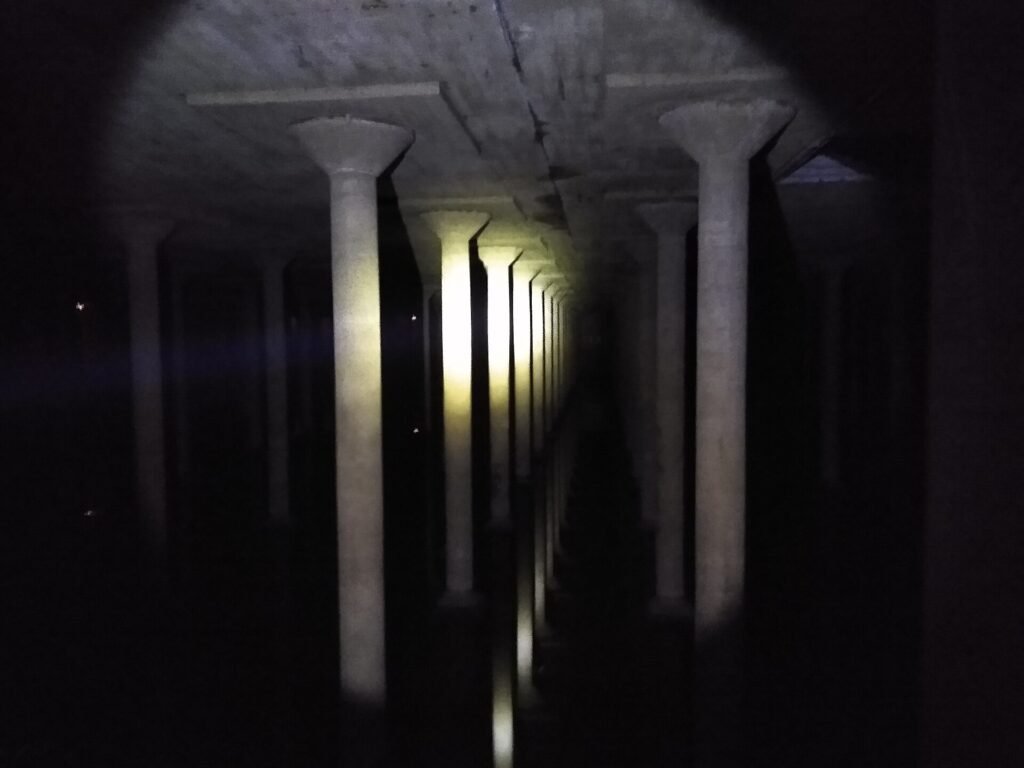
If you book it, let that reservation anchor the outing. Keep the preceding walk short and allow time for parking and check-in. If the available experience does not fit your group, keep the surface walk as a complete plan of its own. There is no need to treat a missed reservation as a spoiled afternoon.
Open your short walk checklist
Save the entrance and return point. Check official closures and the forecast. Bring water and comfortable shoes. Decide on one optional stop. Confirm any tour booking independently of the park visit.
Turn a pleasant visit into a useful local habit
Afterward, write down what you would repeat: the entrance, the time of day, the length you enjoyed, and whether the trip fits an ordinary workday. Those observations are more useful than a broad claim that every nearby home offers the same lifestyle.
If a move is part of the picture, pair your outing notes with the Aurhomes Group home buyer guide. We can help you compare specific properties with the local routines you want to keep, while checking the property details separately.


.jpg)
.jpg)
